We have emotions all the time. Whether we are happy, sad, angry, excited, nervous, etc. we have them, and so do our children. Children do not naturally know how to regulate emotions, and most tantrums are simply the inability to regulate their emotions. One of the most important things we can do is give our children the tools to regulate their emotions properly.

1) Let it out.
Do you ever hold back your emotions until you just can’t anymore and explode? That’s not a healthy way to regulate emotions. We need to show our children it’s okay to be emotional. Don’t punish your child for just having a temper tantrum. Encourage them when they are happy. Let them see you be emotional.
2) Name the emotion.
Children don’t know what they are feeling. When we see them showing emotions we need to tell them what they are feeling. Here are some examples on how doing this would look:
- You’re such a happy baby!
- I see you are angry
- I know you are nervous
- It’s okay to be sad
- Yes, it is exciting!
3) Show Empathy
Children model our behavior. Not only do they learn empathy when we show it to them, but it shows them that we care. An example of showing empathy would be, “Ouch! I know that hurt. I’m sorry it hurt when you fell down.”
4) Redirect inappropriate behavior
If when your child is sad or angry throws things or does any other inappropriate behavior we need to redirect them. I would not discipline them as they are not in the right state of mind. If you have previously set boundaries where they are not to do this behavior I would follow through with disciplining after they are calmed down. Disciplining a child in this state would only escalate the situation. Ways to redirect them would be offering a pillow to scream in, allowing them to run in a safe area to do so, offering a soothing toy, etc.

5) Give tools to control anger
Anger is a very powerful emotion that often leads to misbehavior. It is very important to give them tools to control their anger. Teach them to get to the bottom of their anger and express it. Give them ways to release their anger. Redirection is a huge tool here.
6) Teach them to set boundaries
Just as we set boundaries, our children need to be able to set boundaries for themselves. For example:
Julie’s sister, Clair, keeps borrowing shirts and returning them stained. Julie is very upset. Today when Julie returned a shirt stained Julie decided to get revenge and poured red koolaid all over Clair’s favorite white shirt staining it. This could have been prevented if Julie had set boundaries.
Julie set a boundary with her sister Clair stating that if she returned a shirt stained she couldn’t borrow anymore shirts. Today Clair returned a stained shirt. Julie told her she was no longer allowed to borrow her shirts. Clair was upset, but understood.
We should teach our children that setting boundaries is okay and even important. We also need to help enforce our children’s boundaries.
7) Use pretend play
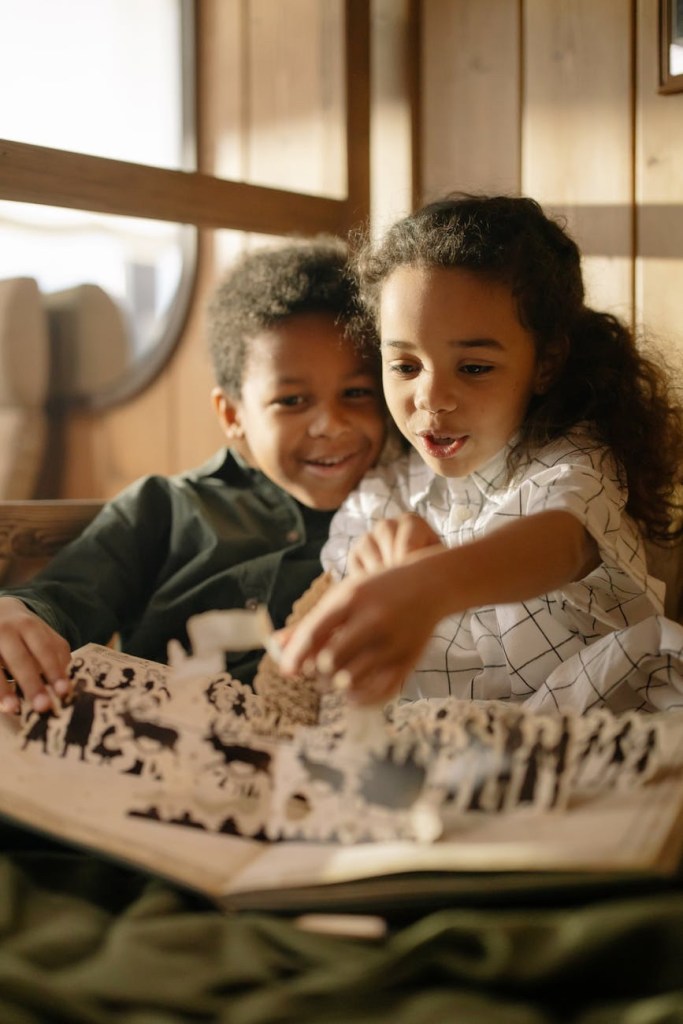
A great way to teach your child how to regulate emotions is to use pretend play while they are not having big emotions. You can use toys to act out scenarios and teach how they should respond and what different emotions are. You can also point out emotions in books.
8) Point out emotions others are having
When your child sees another child showing big emotions let them know what emotion they are having and (if you know) why they are having that emotion, especially if your child caused that emotion. You can also use this as a way to teach empathy.
I hope these tips help you on your adventure with emotions! Subscribe for more!

 The Modern Christian Mom